

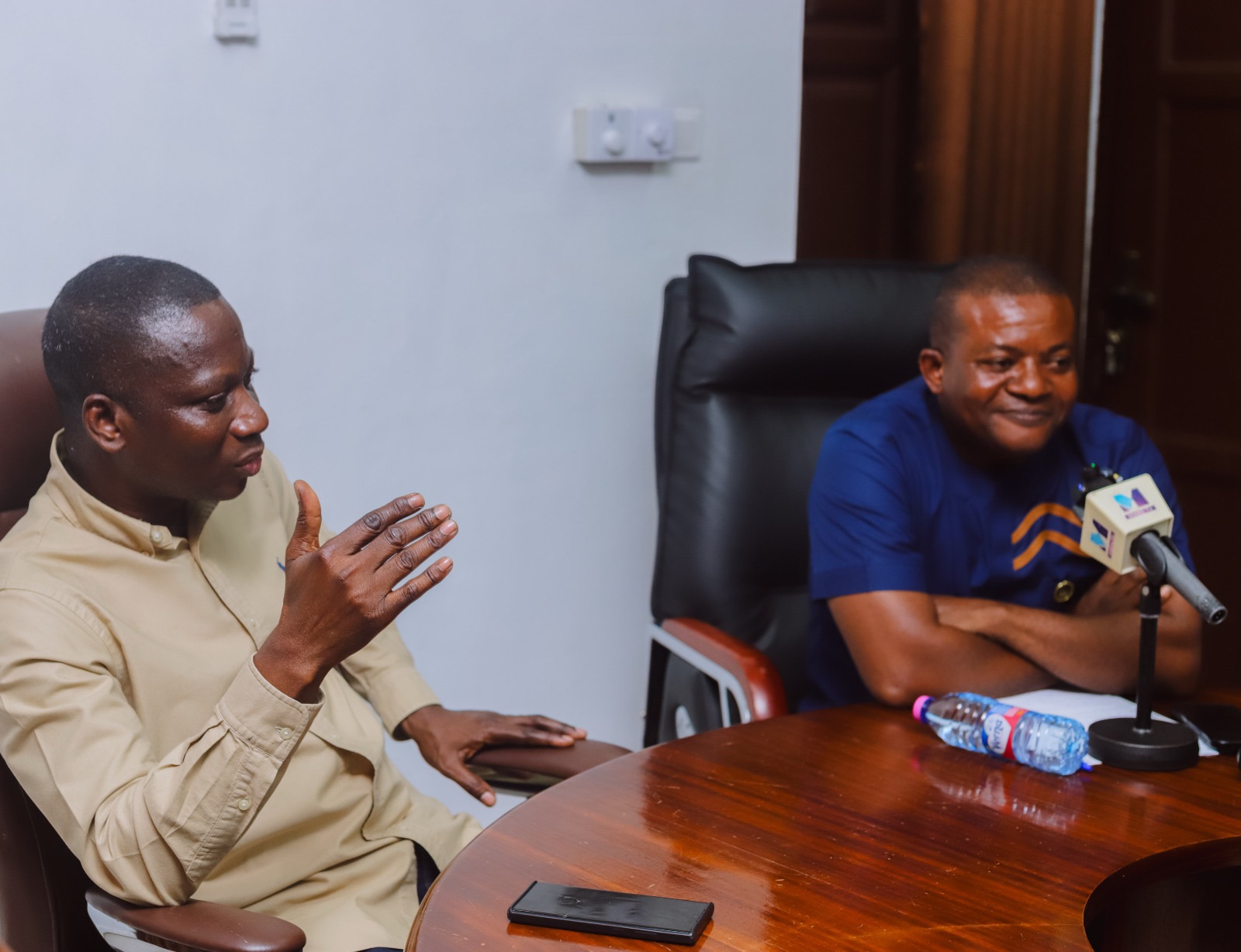
The Municipal Chief Executive for Ghana’s Prestea Huni-Valley Municipality, Dr. Matthew Kofi Ayer, has appealed to Parliament’s Select Committee on Sanitation and Water Resources to push for the replacement of a broken-down skip truck used for waste management in the municipality.
The appeal was made during an oversight visit by the Parliamentary Select Committee to Bogoso as part of a nationwide assessment of sanitation and water service delivery challenges.
Dr. Ayer stressed that the malfunctioning truck has significantly affected waste haulage operations, forcing the municipality to depend on private transport operators, which he said has increased operational costs.
“I will not hesitate to demand the replacement of our broken-down truck because that is the engine of waste haulage,”” he stated.
While highlighting sanitation concerns, the Municipal Chief Executive also acknowledged support received in the area and commended waste management company Zoomlion Ghana Limited for its contributions to local sanitation services.
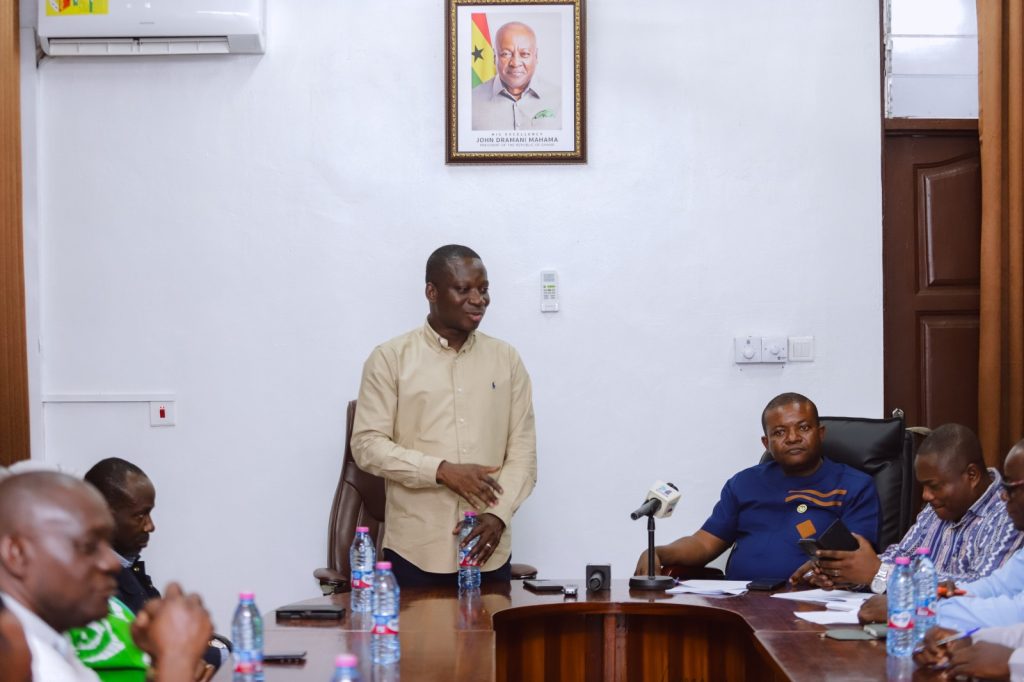
On water accessibility, Dr. Ayer noted that efforts to improve potable water supply have resulted in the construction of 27 new boreholes across the municipality, including 10 facilitated by the local Member of Parliament and 17 provided by the municipal assembly.
Member of Parliament for Salaga North, Zuwera Mohammed Ibrahimah, who is also a member of the Parliamentary Select Committee, explained that the visit forms part of Parliament’s broader mandate to engage local authorities, waste management firms, and water service providers nationwide.
According to her, the engagements are intended to evaluate operational challenges, identify service delivery gaps, and gather stakeholder input to inform policy recommendations aimed at strengthening sanitation and water management systems.
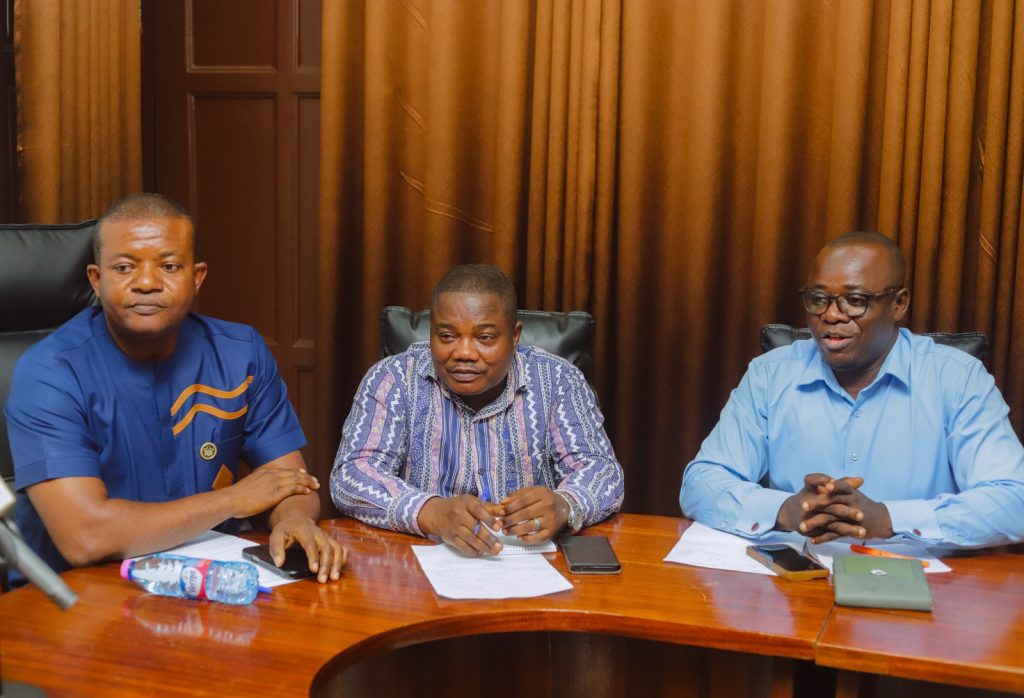
Chairman of the Parliamentary Select Committee, John Oti Bless, reaffirmed the Ghanaian government’s commitment to improving sanitation governance, noting that sanitation remains a priority under President John Dramani Mahama’s administration.
He also raised concerns over deductions associated with fumigation contracts and disclosed plans for a future live televised accountability session where local assemblies across Ghana will publicly account for sanitation and water resource expenditures.
The initiative, he said, is intended to promote transparency, efficiency, and responsible use of public funds.
Providing further details on municipal sanitation interventions, Environmental Health Officer Jerry Kuma revealed that although the municipality receives 10 percent of Ghana’s District Assemblies Common Fund for sanitation-related activities, available resources remain insufficient to meet increasing sanitation demands.
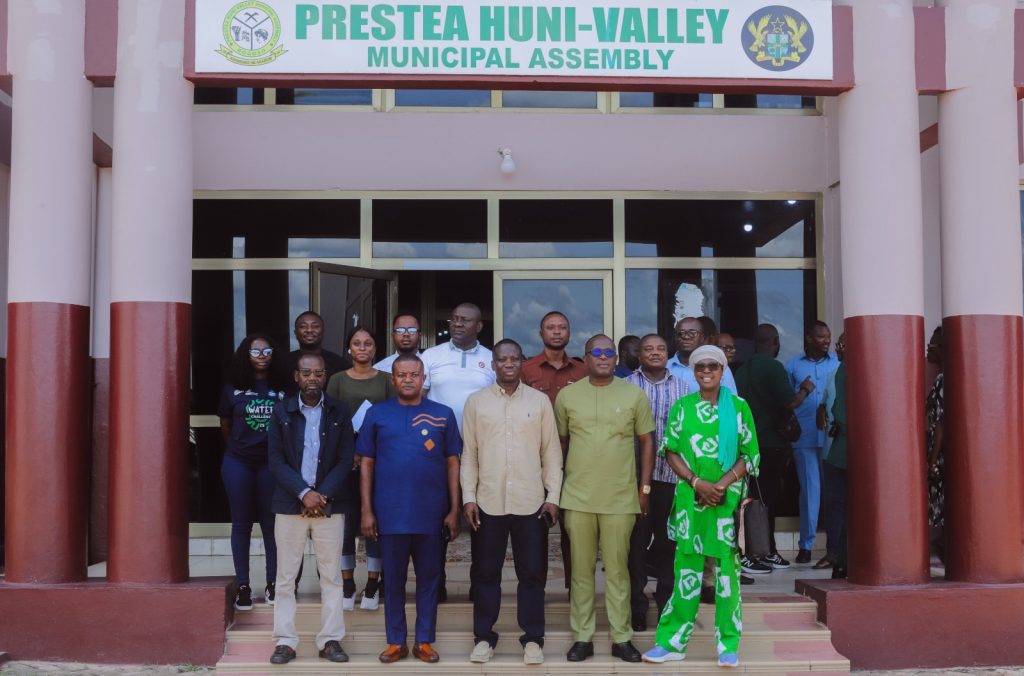
Despite financial limitations, he said the municipality currently operates nine out of eleven waste containers and has recruited more than 60 sanitation personnel through public funds and internally generated revenue to support cleanliness efforts.
He also disclosed that plans are advanced to desilt gutters across the municipality to improve drainage and reduce flooding risks.
The visit forms part of Ghana’s wider parliamentary effort to strengthen sanitation governance and improve essential public services, reflecting broader challenges many African municipalities face in balancing infrastructure deficits, funding limitations, and growing urban sanitation needs.

