

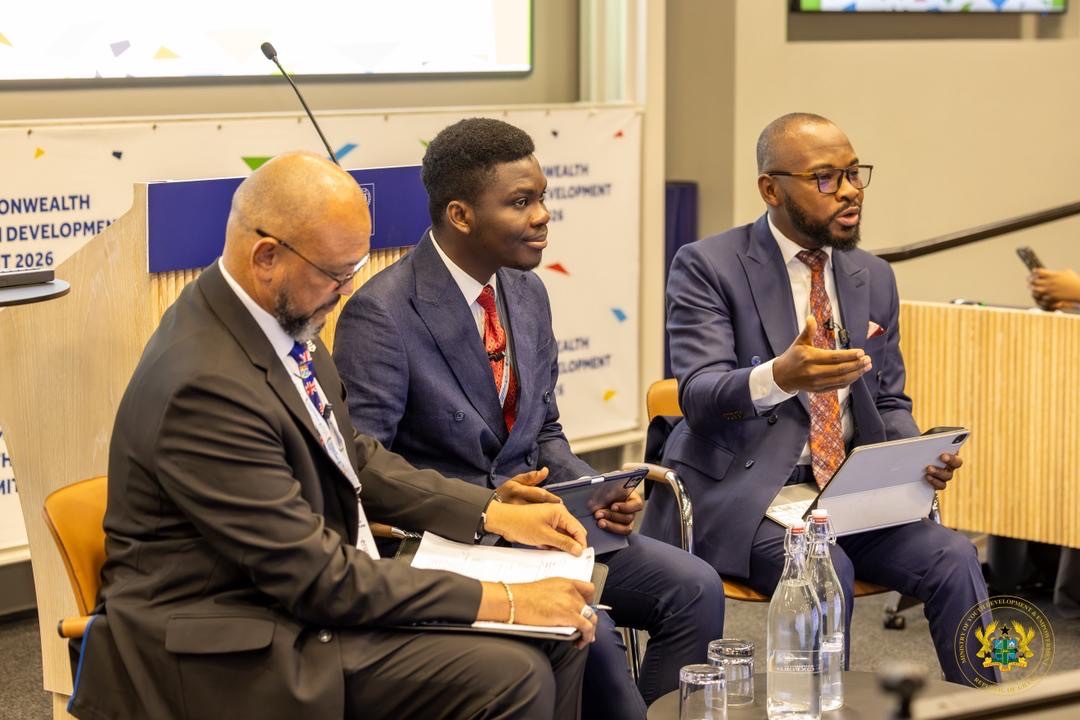
Osman Ayariga, Chief Executive Officer of the National Youth Authority, has outlined Ghana’s approach to youth inclusion at the Commonwealth Youth Development Summit held at Oxford University.
Delivering his address at the summit organised by the Commonwealth Youth Council, Ayariga said Ghana’s youth inclusion framework is anchored on the principle: “Benefit for youth, involve youth – together for a prosperous future.”
He explained that the approach is not merely a slogan but a governance philosophy guiding policy design, institutional structures and programme delivery.
Inclusion as a Governance Priority
According to Ayariga, Ghana’s National Youth Policy treats inclusion as a core governance requirement under its Youth Development Mainstreaming agenda. He noted that this framework recognises the diversity of society and the need for participatory decision-making to ensure social cohesion and sustainable development.
Representation in Leadership
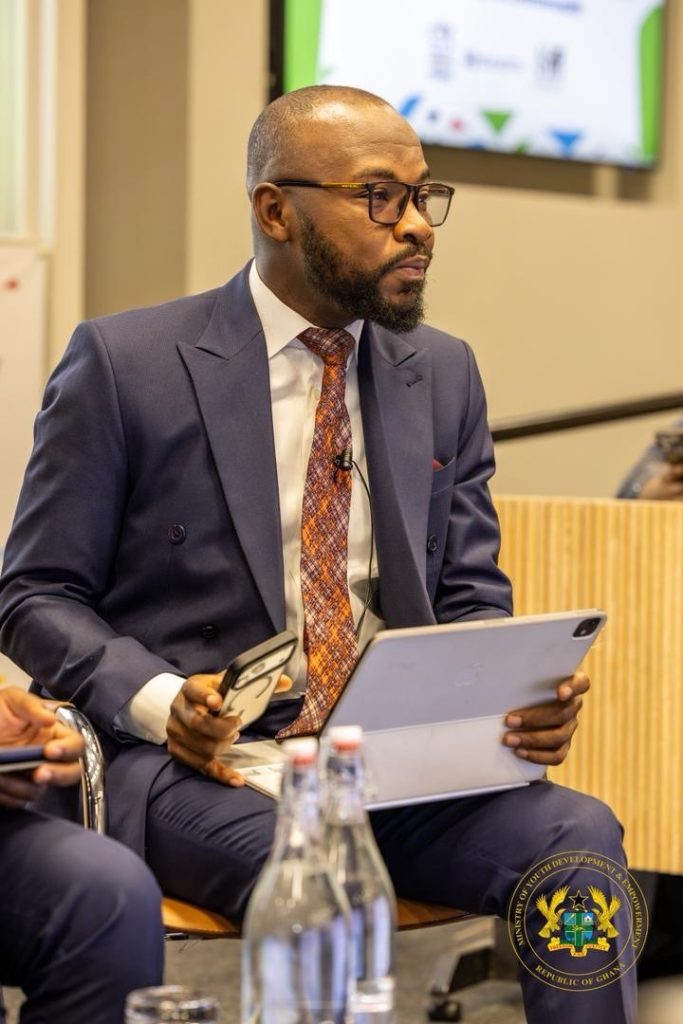
He highlighted that Ghana has moved beyond rhetoric by embedding inclusion in leadership structures. Marginalised youth, including persons with disabilities, are actively involved in decision-making processes.
As an example, he cited the appointment of a visually impaired Deputy CEO at the National Youth Authority, stressing that such representation ensures policies and programmes are shaped by lived experiences.
READ: Africa must shift from certificates to competencies –Osman Ayariga urges education reform
He added that representatives of marginalised groups also serve on district and regional youth committees, as well as governing boards of youth agencies, shifting inclusion from consultation to co-governance.
Targeted Programme Design
Ayariga further noted that inclusion is built into major national interventions such as the National Apprenticeship Programme and the Adwumawura Programme.
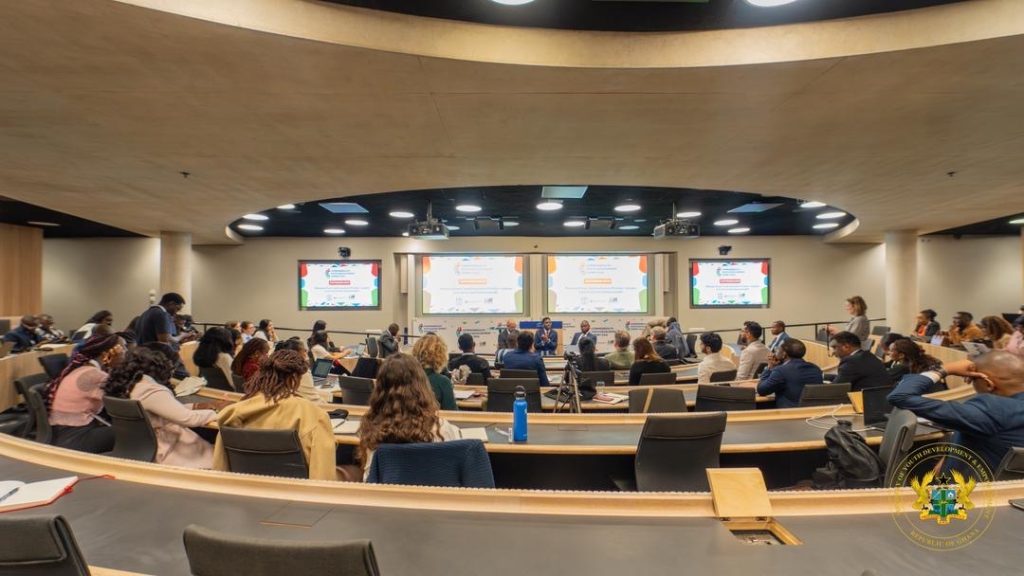
These programmes, he said, incorporate quota systems, targeted outreach and pre-implementation consultations with groups including disabled youth, rural youth and displaced populations.
Institutionalising Youth Voice
To sustain participation, Ayariga said Ghana is establishing permanent platforms such as the Ghana Network of Youth with Disabilities to support advocacy and policy engagement.
He revealed that efforts are also underway to create a similar platform for refugee youth to ensure broader representation in national development processes.
Key Drivers of Success
He identified policy clarity, political commitment and institutionalisation as the main factors driving Ghana’s progress in youth inclusion.
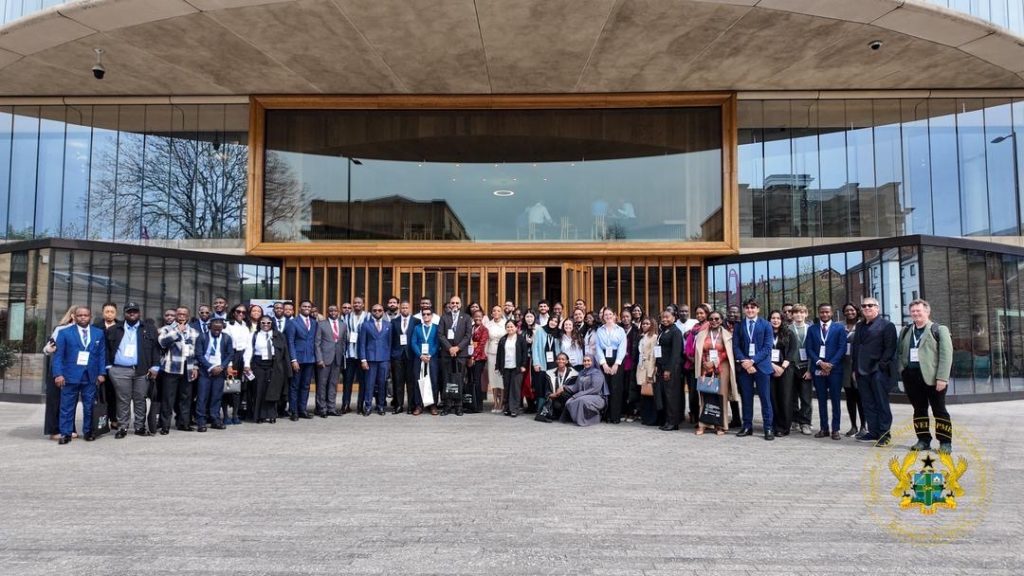
Ayariga urged other countries to adopt practices such as moving from participation to co-decision-making, designing inclusion into programmes from the outset, and creating permanent platforms for marginalised youth.
He concluded that meaningful youth inclusion strengthens policy responsiveness, improves programme effectiveness and promotes social cohesion.

