

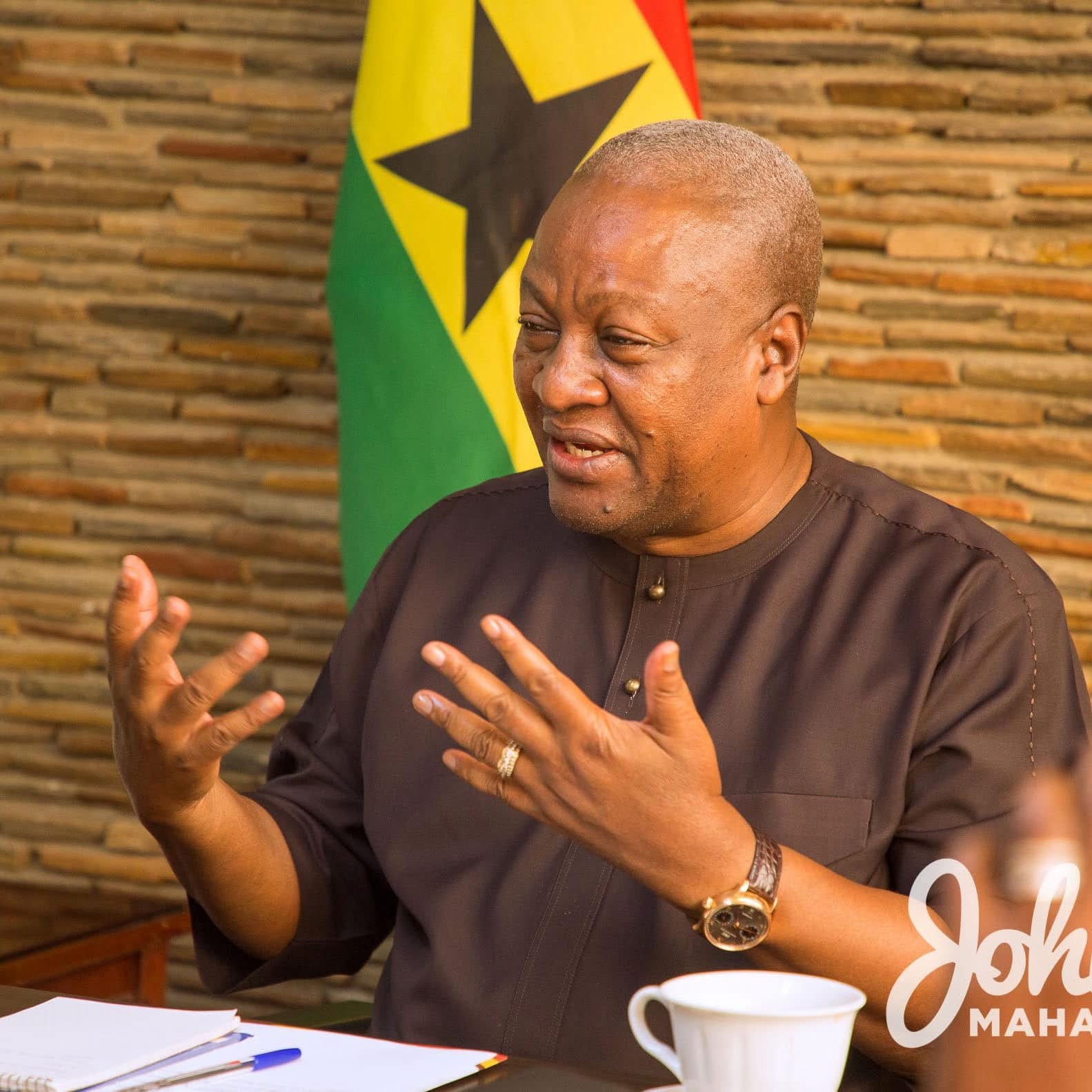
President of Ghana, H.E. John Dramani Mahama, has called on world leaders to renew their commitment to the Beijing Declaration and Platform for Action, describing it as a “moral covenant” that must continue to guide global efforts toward gender equality.
Speaking at the Global Leaders’ Meeting on Women in Beijing, China, on October 13, 2025, President Mahama emphasized that 30 years after the adoption of the declaration, nations must act with “renewed urgency and purpose” to achieve the promises made to women and girls worldwide.
“The Beijing Declaration was never just a statement of intent; it was a moral covenant. It was a recognition that no nation can truly progress if half of its population is left behind,” he said.
The Ghanaian leader highlighted that while progress has been made since 1995, persistent gaps and structural barriers continue to slow global advancement toward gender equality. He therefore urged governments to go beyond rhetoric and take transformative action to ensure that the next decade becomes one of “bold progress and shared prosperity” for women and girls.
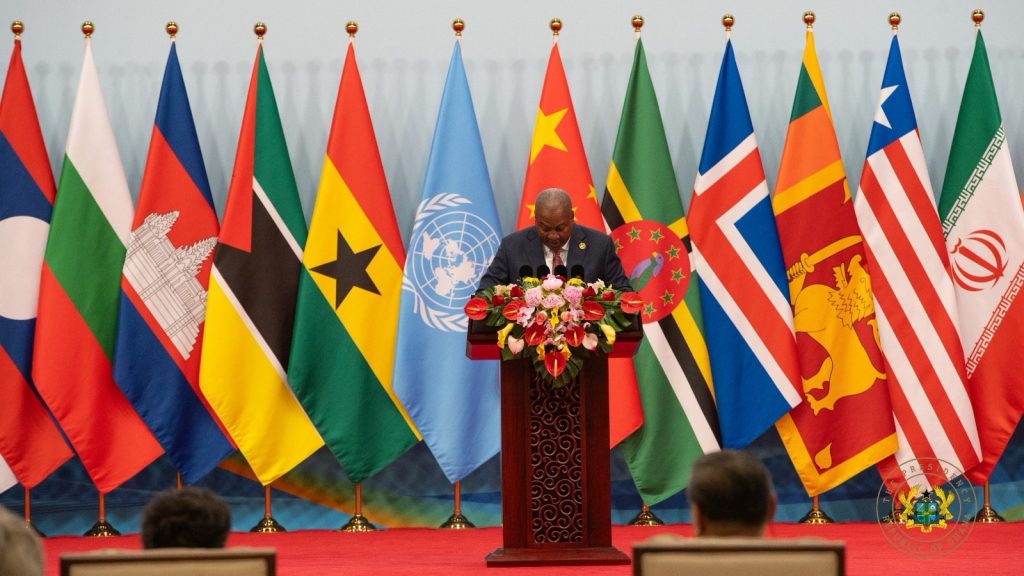
As the African Union Champion for Gender and Women’s Empowerment, President Mahama reaffirmed Ghana’s commitment to mainstreaming gender in all national development policies. He outlined key initiatives including the election of Ghana’s first female Vice President, the appointment of women to top leadership positions, and the enactment of the Affirmative Action (Gender Equity) Act, 2024, which mandates a minimum of 30% female representation in public appointments by 2026 and 50% by 2030.
READ: Ghana’s President Mahama urges African leaders to prioritise women’s welfare
He also mentioned Ghana’s plans to establish a Women’s Development Bank to provide low-interest loans and business development support for women entrepreneurs, alongside social protection programmes such as the Livelihood Empowerment Against Poverty (LEAP) initiative and free tertiary education for women with disabilities.
President Mahama further warned that the rapidly changing global order poses a threat to gender-related gains achieved under the Millennium Development Goals and Sustainable Development Goals. He therefore called for collective global action to safeguard these achievements.
“Gender equality is more than a matter of justice; it is a catalyst for sustainable development. When women succeed, families thrive, communities become stronger, and nations progress,” he noted.
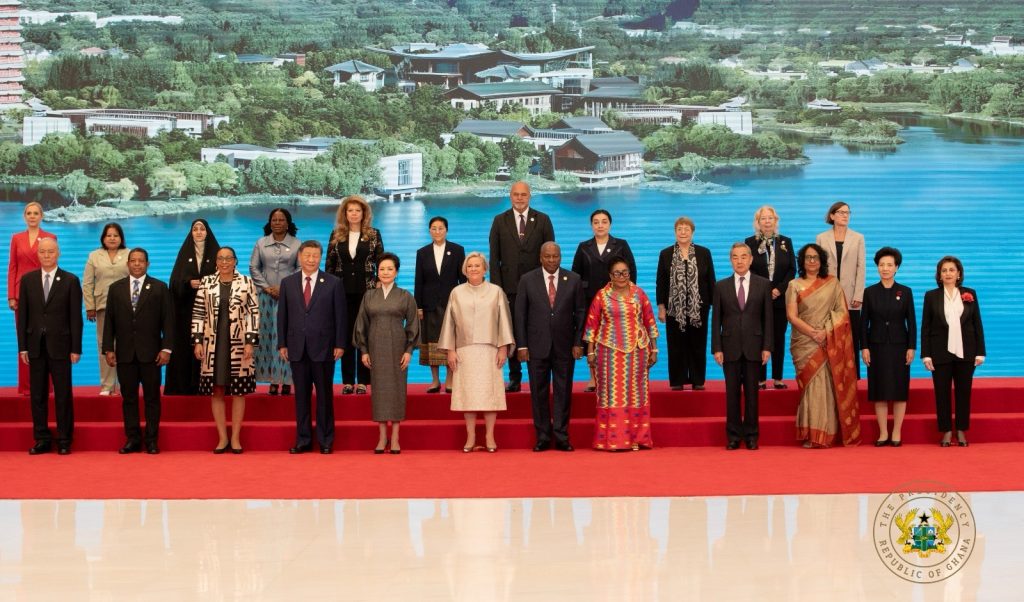
He concluded by urging all governments and development partners to reaffirm their commitment to the ideals of the Beijing Declaration and ensure that the next decade delivers real and measurable change for women and girls across the world.

